
Local Delivery
starting at $79
starting at $79
starting at $79
starting at $79
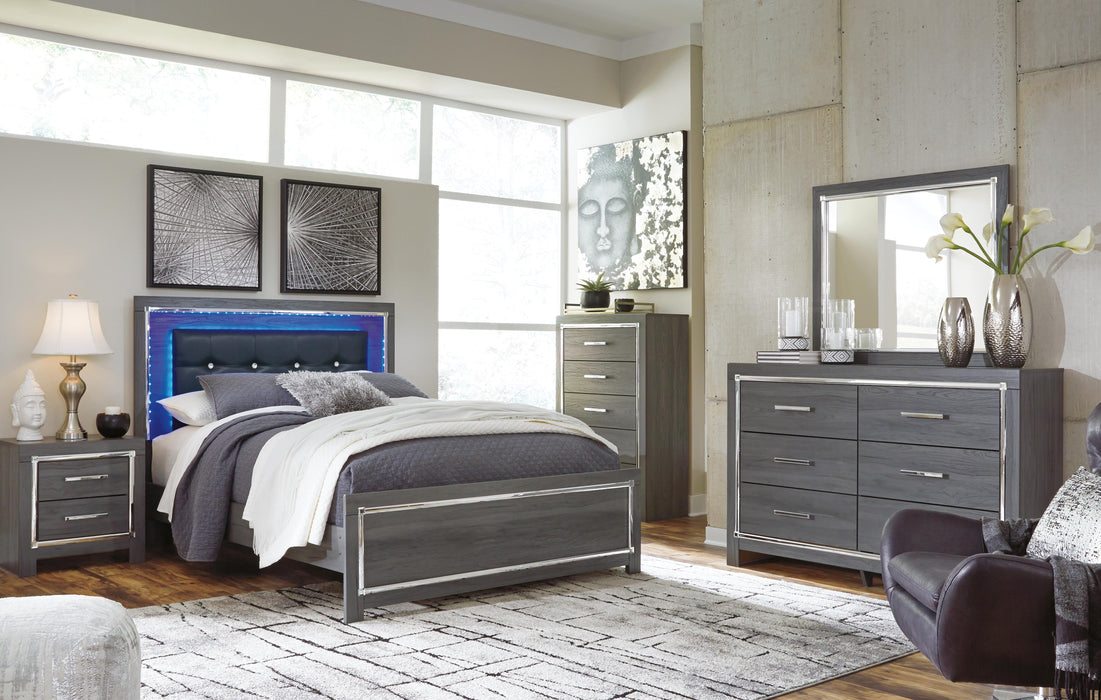
Organized bedroom furniture choices focus on hidden storage, clear floor space, and breathing room around the bed, not just adding more pieces.
Bed storage, smart closet space, and wall-mounted solutions like floating shelves deliver more impact than buying extra furniture.
Double-duty pieces, such as benches with storage or desks that act as vanities, help create a clutter-free bedroom without overcrowding.
Always measure your room’s exact dimensions, including door swings and drawer clearances, so furniture can function without blocking walkways.
Start with your biggest storage problem, whether clothes, bedding, or paperwork, and select bedroom furniture that solves that first.
Selecting the right bedroom furniture for organization isn’t about filling every corner with storage bins and shelving units. It’s about making deliberate choices that support how you actually live. The goal is a cozy bedroom where everything has a home, walkways stay clear, and the entire room feels calm rather than cramped. This guide walks you through exactly how to match furniture to your habits, your space, and your storage needs.
Before shopping for anything new, spend one normal week, including workdays and a weekend, observing where clutter naturally accumulates. Notice the chairs that collect worn-once clothes, the floor space disappearing under bags, and the dresser tops buried under books and chargers. These “hot spots” reveal where your current bedroom furniture falls short.
Next, list your belongings in concrete categories:
Everyday clothes
Seasonal clothing
Bedding and extra linens
Books and magazines
Tech devices and chargers
Work items (laptop, files)
Hobby supplies
Sentimental storage
Then identify 2–3 main behaviors that happen in your sleeping space beyond rest. Do you read in bed? Work at a laptop? Get ready in front of a mirror? Each behavior points to furniture that needs to do double duty, like a nightstand with drawers for both books and chargers, or a desk that also functions as a vanity.
This exercise should reassure you: most people don’t need more pieces. They need better-planned bedroom furniture that fits their habits. The sections ahead show how to match each storage need to specific furniture types, not generic “buy a dresser” advice.
The bed often takes 40–50% of your floor space, making it the single largest piece in the room. Smart bed storage is the fastest path to a clutter-free bedroom because you’re maximizing a footprint you’re already using.
Lift-up storage beds work best in small rooms with minimal closet space. The entire space beneath the mattress becomes hidden storage for duvets, suitcases, off-season clothes, and vacuum-sealed bags. In 2026, 68% of new bedroom furniture collections are expected to include lift mechanisms or modular storage systems as standard features, reflecting this storage-first trend. The trade-off: accessing contents requires lifting the mattress platform, so reserve this zone for items you need monthly or seasonally rather than daily.
Bed frames with built-in drawers along one or both sides offer easier daily access. These under-bed drawers are ideal for folded clothes, extra linens, and everyday shoes. The key is clearance; if drawers extend 24 inches, you need at least 24 additional inches between the drawer front and the nearest wall or furniture to pull them out fully while kneeling.
For standard frames, height matters. Aim for at least 10–12 inches of clearance beneath the frame to fit shallow under-bed bins and vacuum bags without looking crowded. Under-bed storage solutions, such as rolling trays and vacuum-sealed bags, can significantly increase a bedroom’s storage capacity without creating a visible mess.
Headboards with built-in shelves or cubbies can replace bulky nightstands entirely, keeping surfaces tidy while offering spots for alarm clocks, books, and a reading lamp. Wall-mounted headboard systems keep the floor visible and the room feeling open.

Concrete room sizes help translate advice into action:
|
Room Size |
Recommended Bed |
Storage Style |
Notes |
|---|---|---|---|
|
10’ x 10’ |
Full/Double |
Lift-up platform or single-sided drawers |
Tight space; prioritize vertical storage elsewhere |
|
12’ x 14’ |
Queen |
Drawers on both sides or lift-up |
Room for nightstands and one dresser |
|
14’ x 16’+ |
King |
Any style |
Space for additional storage pieces |
Leaving at least 24–30 inches of breathing room around the bed for walkways is essential for a functional bedroom layout, preventing the room from feeling cramped, even when storage beds have drawers extended.
A quick comparison helps visualize trade-offs:
No storage bed: Clean look, but requires separate furniture for linens and off-season items
Built-in drawers: Convenient daily access, requires lateral clearance
Lift-up platform: Maximum hidden compartments, best for infrequently accessed items
Before choosing tall headboards with integrated shelving, measure the ceiling height and any sloped walls. In attic bedrooms or rooms with dormers, tall headboards may feel overwhelming.
When closet space is limited or the room footprint is small, vertical storage becomes your primary strategy. Using vertical space effectively can significantly enhance storage capacity in bedrooms, allowing for the organization of items without sacrificing floor space.
Freestanding wardrobes suit rentals and older homes where closets are small or absent. They’re flexible, you can move them with you, and come in depths from 18 to 24 inches, depending on hanging needs. Built-in storage systems maximize every inch, including corners and full ceiling height, integrating hanging space, pull-out drawers, and shelving units. Built-ins work best in permanent homes or renovations.
Prioritize tall pieces that nearly reach the ceiling. Tall wardrobes maximize vertical space from floor to ceiling, providing organized storage for hanging clothes, folded items, and accessories. Tall storage units that reach nearly to the ceiling can utilize the top 30–50 cm for seasonal items, luggage, or rarely used belongings.
Smart interior fittings make all the difference:
Double hang rods for shirts and folded pants (doubles hanging capacity)
Full-length hanging space for dresses and coats
Pull out drawers for folded items
Built-in drawers that keep the bedroom tidy
Shoe racks at the bottom
Adjustable shelves that adapt to changing needs
Mirrored wardrobe doors eliminate the need for a separate full-length mirror. Furniture with mirrors or metal finishes helps to bounce light around a room, making it feel larger and brighter.
Keep at least 24 inches in front of wardrobe doors and drawers so they can open without blocking traffic paths. Sliding doors reduce clearance needs if space is tight, though they limit access to only part of the wardrobe at a time.

The interior layout matters more than the furniture shell. A simple starting ratio: 60% hanging space, 40% shelves and drawers for most wardrobes. Adjust based on lifestyle; someone who wears mostly knits might reverse this ratio.
Within hanging areas:
Double-hang sections (about 40 inches vertical each) for shirts and short jackets
Full-length sections (60–70 inches) for dresses and coats
Use labeled storage bins on high shelves for rarely accessed items, think “winter sweaters” or “guest linens”, to avoid piles on the floor or top of dressers. Fabric bins work well for soft items; clear bins help you see contents without labels.
Install accessory hooks for belts and scarves, and consider pull-out trays for jewelry. The goal is to prevent small items from overflowing onto dresser surfaces.
A common mistake is scattering many small chests and baskets around the room. Fewer, well-planned storage pieces beat this approach every time. One substantial dresser plus a well-configured wardrobe handles more than three or four random small storage units.
Low, wide dressers (typically 30–36 inches high, 50–72 inches wide) work well under windows or against walls where you want surface space for a mirror and table lamps. Using lighter-colored furniture can make a room feel larger, particularly in compact bedrooms.
Tall, narrow chests maximize storage in a smaller footprint, with heights up to 50–60 inches and widths of 24–36 inches. These suit tight spaces where you need to utilize vertical space rather than spread out.
Measure carefully:
Dresser depth plus drawer extension (typically 18–20 inches) must fit without hitting the bed or opposite wall
A 20-inch-deep dresser needs roughly 38–40 inches from the wall to the nearest obstacle for comfortable drawer access
Integrate drawer organizers or choose dressers with shallow top drawers (4–5 inches) for small items like underwear, jewelry, and glasses. Deep drawers without dividers become “black holes” where items get buried.
Keep dresser tops mostly clear. Define one tray for daily essentials, watch, glasses, and current book, and store everything else in drawers. This maintains a clutter-free look even when life gets busy.
Position dressers on a wall opposite or adjacent to the bed to create a secondary focal point without blocking windows. The symmetrical arrangement of bedroom furniture, with the bed as the focal point, creates a sense of balance and calm, making it a popular choice in master bedrooms.
The concept of breathing room means leaving some blank wall space around large storage pieces so the room doesn’t feel top-heavy on one side. If multiple tall pieces are used, like a wardrobe plus a tall chest, distribute them across different walls.
A simple mid-size bedroom layout:
Bed centered on the longest wall with nightstands on each side
Dresser on the opposite wall, centered for symmetry
Closet or wardrobe on a shorter wall near the entry
24–30 inches of walking space maintained throughout
Avoid blocking natural light or access to outlets with oversized freestanding furniture. Low dressers under windows provide storage without obstructing daylight.
Bedside clutter, chargers, books, glasses, and medications are often the first things you see each morning. This visual clutter can undermine even the most organized bedroom.
Choose nightstands with at least one drawer plus an open shelf for everyday essentials, rather than purely decorative tables. Hidden storage keeps surfaces clean while keeping items accessible.
Wall-mounted or floating nightstands work well in tight spaces. Floating nightstands and wall-mounted shelves keep surfaces clear and floors visible, making the room appear larger. They also make cleaning easier, with no legs to vacuum around.
Look for features like:
Integrated cable cutouts for charging cords
Built-in USB outlets
Small trays to contain daily items
Built-in lighting to eliminate bedside table lamps
Sizing matters: tops should be roughly level with mattress height for comfortable reach. Width should be proportionate to bed size, narrower for twin or full beds, wider for queen and king.
Mismatched nightstands can actually improve organization. If one partner has more bedside items, books, devices, and medications, that side might need a nightstand with extra drawers. The other might prefer a lighter, open shelf.
Balance visual weight:
Closed storage on one side for the partner with more items
Open, minimal shelf on the other side
Keep finishes and hardware cohesive, similar wood tones or metals, so mixed pieces look intentional rather than chaotic. A compact drawer unit paired with a sleek floating shelf demonstrates how function and style can coexist.
Multi-functional furniture, such as storage beds and nightstands with drawers, helps maximize space in smaller bedrooms by combining style with storage capacity.
Selecting items that serve dual purposes can enhance functionality in small spaces. This principle drives smart furniture choices in small bedrooms, guest rooms, and rooms that pull double duty as offices.
Storage benches or ottomans at the foot of the bed provide seating for dressing and hidden compartments for extra blankets, pillows, or workout gear. An ottoman bed style combines sleeping space with substantial storage beneath. Check that lids open fully without hitting the bed frame.
Desks that double as vanities maximize limited space. Position them near a window for natural light, and ensure they don’t block closet door access. Shallow drawers can hold both makeup and office supplies; just use separate containers so items don’t mix.
Daybeds with trundles or sliding drawers suit rooms that sometimes function as a guest room and sometimes as a home office or playroom. The bed operates as seating during the day and a sleeping space at night.
Modular furniture is designed to adapt to your space, allowing for rearrangement or expansion over time, making it ideal for small bedroom organization that evolves with your lifestyle. Modular storage furniture allows for rearrangement and adaptation over time, making it ideal for small bedroom organization that evolves with lifestyle changes.
Avoid adding extra furniture just because it offers storage. Minimizing clutter and focusing on minimalism keeps a small space open. Maintain clear walkways and precious floor space for movement.

In studio apartments, a single room must function as a bedroom, a living space, and sometimes a dining room or an office. A small, streamlined table can serve as both a compact dining table and a work surface while bedroom furniture around it stays minimal.
Keep work or dining items stored away in drawers or cabinets so the room still reads as a restful sleeping space come evening. A narrow console or wall-mounted desk replaces a bulky office desk in rooms that also hold a bed.
Consider:
Drop-front wall desks that close to hide work clutter
Stools that tuck completely under narrow tables
Rolling carts that serve as both work stations and nightstands
These solutions prove that smart storage isn’t about volume; it’s about flexibility.
Walls are often underused in bedrooms, especially above dressers, around the bed, and near doors. Wall storage reclaims this wasted space without eating into your floor area.
Floating shelves and wall-mounted solutions are effective for utilizing vertical space, allowing for storage and display without taking up floor area, which is especially beneficial in small bedrooms. They can hold books, decor, or fabric bins, reducing the need for extra floor-standing cabinets.
Wall-mounted hooks or peg rails handle bags, robes, and hats, freeing up closet rods and preventing chairs from becoming de facto coat racks. Over-the-door organizers work well in rentals where drilling isn’t allowed.
Placement strategy:
Keep shelves away from where people sit or sleep directly underneath to avoid a cramped feeling
Position shelving at least several inches above seated head height
Limit shelf depth to 8–10 inches in bedrooms to prevent accidental bumps
Safety basics: anchor shelves into studs or use wall anchors rated for the expected load. Avoid storing heavy items over the bed, especially in earthquake-prone areas.
Keep shelf contents curated, a few carefully chosen items rather than a dense arrangement. This reinforces a calm, clutter-free bedroom aesthetic.
Floating shelves fill awkward gaps between built-in wardrobes or above low built-in drawers. For example, a shelf can span between two wardrobes flanking a bed, adding usable surface without requiring another freestanding piece.
Built-in storage around a headboard wall, with recessed niches and overhead cabinets, creates enormous storage capacity while keeping the bed area defined. However, too many overhead cabinets can feel enclosing; leave some open wall space to breathe.
Consistency in materials and color prevents a busy look. If built-in shelving matches the wall color, it recedes visually, making the room feel larger.
Example: A narrow bedroom might feature built-in drawer units below a window (avoiding blocked light), floating shelves on one side for books and decor, and a compact desk functioning as both work surface and vanity on the opposite wall.

Even multifunctional furniture with excellent storage fails if placed poorly. Arranging furniture to ensure clear walking paths enhances the usability of a small space.
Before ordering anything:
Sketch a simple floor plan with furniture footprints
Include door swings and drawer clearances
Mark window locations and radiators
Leave continuous paths from the door to the bed, closet, and window. Aim for 24–30 inches of clear walking space wherever people move regularly. This prevents stubbed toes and maintains a well-lit room; nothing blocks light from windows.
Placing the bed in a commanding position, where it can be seen from the door without being directly in line with it, enhances the sense of security and comfort in the bedroom.
Don’t position tall, heavy furniture where it blocks natural light. Use wall sconces or pendant lights instead of large floor lamps to keep traffic routes open and surfaces less cluttered.
|
Mistake |
Why It Fails |
Solution |
|---|---|---|
|
Oversized dressers in narrow rooms |
Blocks walkways, drawers can’t open |
Measure depth + extension before buying |
|
Too many small storage pieces |
Visual clutter, inefficient |
Consolidate into one well-planned wardrobe |
|
Ignoring interior storage |
Beautifully styled but impractical |
Choose pieces with drawers, shelf dividers, and adjustable shelves |
|
Mixing too many finishes |
The room feels chaotic, even if the surfaces are clear |
Stick to 2–3 complementary tones |
|
Filling storage to capacity |
No room for new items, constant overflow |
Leave 10–20% of storage space empty |
Modern designs increasingly address these issues. In 2026, 68% of new bedroom furniture collections include lift mechanisms or modular storage systems as standard features, reflecting a trend towards storage-first furniture.
These image concepts illustrate key principles:
Storage bed with organization: A mid-size bedroom showing a storage bed with drawers open, two simple nightstands, and clear 24–30 inch walkways demonstrating breathing room.
Wardrobe interior zones: The inside of a tall wardrobe with labeled sections, hanging clothes on double hang rods, adjustable shelves, built-in drawers, and shoe storage at the bottom.
Dresser wall setup: A low, wide dresser with a mirror above it and a couple of floating shelves displaying minimal decor and storage boxes, showing organized storage that enhances rather than clutters.
Double duty furniture: An end-of-bed storage bench with wall-mounted nightstands in a small room, demonstrating how additional storage and free floor space coexist.
Narrow room solution: A compact bedroom with built-in drawer units under a window, floating shelves on one wall, and a compact desk that doubles as a vanity, showing how to create organized zones in limited space.
Choosing the right bedroom furniture for organization means prioritizing storage beds that turn the largest surface in the room into hidden storage, tall wardrobes that maximize every inch of wall space, smart dressers with integrated organizers, and wall-based solutions like floating shelves and open shelving.
Double-duty pieces and multifunctional furniture maintain a clutter-free bedroom without sacrificing comfort. A storage bench replaces a chair-turned-closet. A wall-mounted desk eliminates a bulky workstation. Each piece earns its own space by doing more than one job.
Measure carefully. Map your layout. Tackle your biggest clutter category first, whether that’s hanging clothes overflowing from a packed closet, bedding with no home, or paperwork scattered on every surface.
A thoughtfully furnished bedroom creates genuine breathing room for better sleep and calmer daily routines. Start with one piece, solve one problem, and build from there.
Start with the bed frame or storage bed if your current setup has no bed storage. This delivers the biggest impact per dollar spent. Storage beds can turn the largest surface in the room into hidden storage for items like duvets, suitcases, and out-of-season clothing.
Next, add one tall wardrobe or dresser, consolidating scattered storage baskets or small chests into a single well-organized piece. Finally, upgrade existing furniture with affordable drawer organizers, hooks, and under-bed bins before replacing everything. A $20 set of dividers can transform a chaotic dresser into organized storage.
Focus on freestanding furniture that requires no permanent alterations: tall bookcases with fabric bins, storage beds, and modular shelving units you can disassemble. Use removable hooks, over-the-door organizers, and leaning ladders for additional storage without drilling.
Choose neutral, flexible pieces in your own space that can move with you and adapt to future floor plans. A well-chosen wardrobe and storage bed will serve you across multiple apartments.
Give each person distinct storage zones: separate wardrobe sections, dedicated drawers, and bedside tables with features tailored to individual needs. If one partner has more bedside items, they might need a nightstand with extra drawers, while the other uses a simple floating shelf.
Agree on shared rules for surfaces, only what you’re currently reading and a water glass on nightstands, for example. This prevents gradual clutter creep that leads to tension.
Declutter first. Editing clothing, linens, and decor down to what you actually use reveals true storage needs and often eliminates the need for large new pieces. You may discover your current furniture has adequate capacity once it’s not stuffed with items you never wear or use.
After decluttering, choose storage furniture with a little extra capacity, that 10–20% buffer, so the room can absorb life changes without becoming overcrowded again.
Decide which heirloom items must stay, perhaps a vintage dresser with sentimental value, and build your layout and color palette around them. Add complementary modern pieces that provide hidden storage and smart functionality, keeping finishes and hardware in similar tones.
Use simple, cohesive bedding and minimal decor so the room feels unified rather than chaotic. Let the heirloom piece be the standout while newer furniture handles the heavy lifting of organization behind closed doors.

Create a more comfortable and organized home when you buy bedroom furniture at House of Furniture today. The right bedroom furniture helps transform your space into a place where you can relax, recharge, and enjoy better everyday comfort. Whether you are looking for beds, dressers, nightstands, wardrobes, or complete bedroom sets, choosing quality furniture can improve both the style and functionality of your room.
Now is a great time to refresh your bedroom with furniture designed for comfort and everyday living. Buy bedroom furniture at House of Furniture today and create a bedroom space that feels welcoming, practical, and perfect for your daily routine.