
Local Delivery
starting at $79
starting at $79
starting at $79
starting at $79
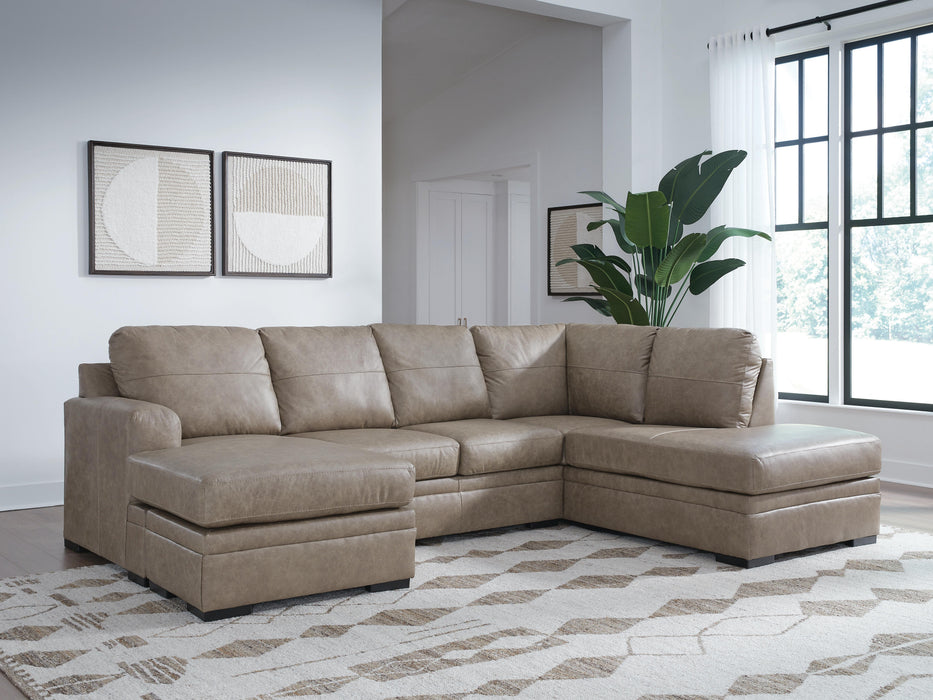
A sectional sofa is made from connected pieces, often including chaises, armless seats, ottomans, and corner seats; when chosen correctly, a high-quality sectional can last 10–20+ years and replace multiple smaller pieces in a living room.
The main reason a sectional sofa is often worth the price is simple: it delivers ample seating while maximizing seating per square foot, especially with an L-shaped sectional or modular setups.
A modular sectional is especially practical because it can be rearranged, expanded, or split apart as your living space, family, or floor plan changes.
The right size, seat depth, sofa height, and orientation around the main focal point, like a TV, fireplace, or picture window, determine how useful the piece feels every day.
This guide breaks down cost-per-use, durability, layout flexibility, lifestyle fit, and the common questions people ask before deciding if a sectional sofa is worth the investment.
A sectional sofa is usually the largest piece of living room furniture you buy, and it is also one of the most used. It handles weekday lounging, weekend naps, movie night, entertaining guests, pet hair, snacks, and multiple people sitting at once.
That is why the better question is not just, “What does it cost today?” It is, “What does it cost over 10–15 years?”
For example, a $2,500 sectional used every day for 10 years costs about $250 per year. A $900 standard sofa replaced every 3–4 years can cost more over the same period, especially when you add delivery, disposal, and replacement accessories.
A single sectional can also replace a sofa and loveseat, two separate sofas, or a sofa plus extra accent chairs. In many homes, that makes the right sectional a cleaner, more efficient furniture combination than buying several unrelated pieces.
Modern sectional couches are designed for heavy use. Many now include durable materials, stronger frame construction, performance fabrics, high-density foam, and options like reclining sectionals, built-in storage, or sleeper sections. A high-quality sectional sofa can last 7 to 15 years or more, and premium construction can push that lifespan even further.

A sectional sofa is a seating system made from multiple connected units rather than one continuous couch. In practical terms, sectional sofas consist of separate modular pieces, and most sectionals come in 2 to 6 pieces.
Common pieces include:
A left- or right-facing chaise for lounging space
A corner seat for the L shape or U shape
Armless seats for adding length without bulky arms
Ottomans that can work as footrests, extra seating, or a cozy nook
Sectionals can weigh between 50 and 120 lbs per piece, so it is worth checking delivery access before ordering. A 2-piece sectional is roughly 80–100 inches long, and a 2-piece sectional typically measures 80-100 inches long. Larger designs can span 160–200 inches or more in length.
The main shapes are simple:
L-shaped sectionals fit snugly into corners, maximizing space.
A U-shaped sectional wraps around a seating area and can hold more people.
Modular sectionals can be rearranged to fit different layouts.
Pit-style modular setups can become one large lounge for movie night.
A fixed sectional has a set shape. A true modular sectional lets you reorder pieces, move the chaise, add armless seats, or split the layout into different room layouts. That flexibility is a major reason sectional couches can be more practical than traditional sofas as life evolves.
The investment value of a sectional depends heavily on square footage. An 11×15 ft apartment living room needs a different plan than a 14×20 ft open-plan living area.
An L-shaped sectional can turn unused corners into comfortable seating. Sectionals utilize awkward corner areas that are often wasted by traditional furniture, which helps create more seating without filling the whole room visually.
For small spaces and tight spaces, compact room sectionals can work better than a sofa-and-chair setup because they reduce gaps between pieces. L-shaped sectionals can seat four to five people comfortably, while most sectionals comfortably seat five to seven people.
For large spaces, a large sectional can create a defined seating area. A U-shaped sectional can seat six to eight people comfortably, and a U-shaped sectional can fit up to nine people. Large sectionals can comfortably seat eight to ten people, which makes them useful for holidays, game nights, and entertaining guests without relying on too many extra chairs.
Still, size matters. A sectional should leave:
30–36 inches of walking space for traffic flow
About 18 inches between the sofa and the coffee table
Enough space for side tables, lamps, and door swings
Clear access to windows and entryways
If you do not space carefully, even the perfect sectional can make a room feel cramped. Sectionals can limit traffic flow in open-concept spaces, especially if the chaise blocks a natural walking path.
In open concept living spaces and open concept spaces, sectionals can create distinct seating zones in open floor plans. They help define the living area without adding walls, while still preserving floor space when scaled correctly.
Comfort is where the “sectional sofa worth the money” question gets decided for most buyers. A sectional only delivers value if people actually sit comfortably in every usable seat.
Seat depth is the first number to check. Around 20–22 inches is better for upright conversation, reading, and shorter users. Deep seats around 24–26 inches work better for lounging, taller users, and a relaxed TV room. A practical setup often mixes standard seats with one deeper chaise.
The corner seat can be the best seat in the house if it has supportive back cushions and a soft angle. Sharp 90-degree corner seats may look clean, but they can feel awkward for long sitting.
Cushion quality also matters. High-density foam, typically 2.5 lbs/cubic foot or higher, provides excellent support and durability. High-density polyurethane foam rated at 2.4 lbs/cu. ft. or higher lasts over 10 years. Good seat cushions distribute weight evenly, reduce pressure points, and hold their shape longer.
Support under the cushions is just as important. 8-way hand-tied springs or sinuous steel springs maintain internal support and prevent sagging. This is one reason construction claims should be checked carefully before buying.
For most adults, medium-firm cushions and back heights around 30–36 inches offer a strong balance of sink-in comfort and long-term support. Also, check sofa height: lower seats create a lounge feel, while taller seats are easier to rise from.
When a sectional offers comfortable seating across the whole piece, you get full use of the seating capacity you paid for.
Sectionals used to be criticized for being stuck in one layout. Today, modular sectionals and better planning make them much more flexible.
Start with the room's layout. The sectional should face the focal point, whether that is a TV, fireplace, city view, or picture window. If most seats cannot see the focal point, the layout may feel wrong even if the sofa is beautiful. A sectional can serve as the focal point of a room, but it still needs to support the main focal point of daily use.
L-shaped sectionals are everyday workhorses. They can sit against two walls or float in the middle of a living room to define a living area. A floating L shape is especially helpful in open plans because it creates a defined seating area without closing off the room.
Modular sectionals can be rearranged to fit different layouts, from an L-shape to a U-shape or a large lounge. Sectional sofas can adapt as your living space changes, which is useful if you move, remodel, or need more room for kids and guests.
For better conversation, pair the sectional with two accent chairs opposite or beside it. This chair combination works well for guests who do not want to sit side-by-side. Accent chairs also make the room more adaptable for reading, hosting, or watching TV.
Before buying, tape the footprint on the floor. Check doors, windows, vents, outlets, traffic flow, and the coffee table placement. This simple step prevents expensive layout mistakes.

Construction quality and fabric choice often decide whether a sectional lasts 3–5 years or 15–20 years.
Start with the frame. Kiln-drying removes moisture to prevent wood from warping, cracking, or squeaking. Kiln-dried hardwoods prevent warping, cracking, or creaking under heavy-weight loads. Look for kiln-dried hardwood frames, reinforced corner blocks, and strong joinery. Kiln-dried hardwood is one of the most reliable signs of a stronger frame.
Fabric is next. Performance fabrics like Crypton or Sunbrella resist stains, moisture, and fading. Performance fabrics can resist pilling, tearing, and daily frictional wear, rated over 30,000 to 50,000 double rubs. According to upholstery durability guidance, rub tests such as Wyzenbeek and Martindale are commonly used in the furniture industry to compare fabric wear.
High-performance fabrics are especially useful in homes with children, pets, food, drinks, and regular gatherings. If you prefer leather, high-quality leather develops a rich patina and lasts for decades, often outliving fabric upholstery.
Also, look for practical cover options. Machine washable covers, removable covers, or interchangeable covers can extend the life and style of the sectional without replacing the whole piece. Many sectionals offer customizable configurations and fabrics, which help you match modern, minimalist, or traditional décor without sacrificing style.
Modern sectionals come in various styles and colors, and sectionals can elevate the look of your living room. They can create a cozy, inviting atmosphere while still being practical.
Basic maintenance helps protect the investment:
Vacuum regularly, especially around seams and under cushions
Rotate seat cushions when possible
Spot-clean spills quickly
Keep fabric out of harsh direct sun when possible
Check connectors and legs once a year
The sectional sofa worth question depends on how you actually use your living room.
A sectional is ideal for families, casual hosts, and homes where the living room doubles as a TV room, nap zone, work spot, and play area. If multiple people use the same seating area every day, sectionals offer a strong mix of comfort and efficiency.
A sectional is also useful when you want a cozy nook for reading or a chaise for stretching out. Sectionals can include features like hidden storage or convertible beds, which add value in apartments, guest rooms, and multipurpose spaces.
It may not be the best choice if you entertain formally or prefer face-to-face conversation. In that case, a standard sofa plus two accent chairs, or two smaller sofas facing each other, may feel more natural.
Frequent movers should pay attention to modular design. Fixed sectionals can be hard to reuse in a new floor plan, while modular setups can be split into smaller pieces or reoriented to the chaise. That makes them safer for renters or anyone expecting life changes.
Think through real routines:
Weekday evenings: who uses the sofa, and how?
Weekend mornings: do you lounge, read, or nap?
Holiday gatherings: how many people need to sit?
Movie night: Does everyone have a good view?
If a sectional supports your actual habits, it becomes one of the most practical investments in your home.
Set the budget before falling in love with a style. In 2026, a simple way to think about price is:
|
Budget range |
What to expect |
|---|---|
|
Under $1,500 |
Shorter lifespan, simpler frames, lower-density cushions |
|
$1,500–$3,000 |
Better fabrics, stronger frames, more configuration options |
|
$3,000+ |
High-quality materials, stronger support systems, and more customization |
|
|
|
Compare the cost of one mid-range sectional to a sofa, loveseat, and a couple of accent chairs of similar quality. The sectional may cost more than one standard sofa, but less than building the same seating capacity from several pieces.
Prioritize essentials before extras:
Frame construction
Cushion support
Seat depth and sofa height
Fabric durability
Fit within the floor plan
Then consider upgrades like reclining sectionals, sleeper functions, built-in storage, or premium upholstery. These can be worthwhile, but only after the basics are right.
A sectional is also a visual anchor. Choose a timeless shape and neutral base fabric if you want it to last through changing trends. Pillows, throws, side tables, and rugs are easier to update later.
The practical investment point is simple: a sectional makes financial sense when its cost matches how intensively it will be used and how long you plan to keep it.

A well-built sectional with a hardwood frame, quality suspension, and durable upholstery can last 10–20 years. Cushions and fabric may need refreshing after 7–12 years, but the frame can last much longer if it is built well.
Budget sectionals using softwood, weak plywood, or particleboard may show sagging, loose joints, and flattened cushions within 3–7 years of daily use.
Modular sectionals are generally more practical if you move, rearrange rooms, or expect life changes such as kids, downsizing, or a home office. They can be reconfigured, expanded, reduced, or split apart.
Fixed L-shaped sectionals can still be a great investment in long-term homes with stable floor plans. They often cost less and can feel more solid because the shape is not meant to change.
Not necessarily. Compact L-shaped or chaise sectionals under roughly 90–100 inches wide can improve small rooms by replacing multiple bulky pieces.
Avoid oversized U-shaped or very deep pit sectionals in rooms under about 10×12 feet. They can dominate the space, reduce walking space, and make the room feel cramped.
Test seat depth and height in person if possible. Shorter people often prefer around 20–22 inches of seat depth, while taller people may enjoy 24–26 inches and deeper corner seats.
If shopping online, compare the listed dimensions to a sofa you already like. You can also use pillows at home to simulate different depths before buying.
A sectional can work alone in casual, TV-focused rooms. But one or two accent chairs can improve conversation, give guests flexible seating, and make the layout feel more complete.
Choose lightweight chairs that are easy to move, so the room can shift between reading, movie night, and entertaining without adding more large furniture.
Shop now at Upstate Furniture Outlet and discover sectional sofa furniture designed to bring comfort, style, and practicality into your living space. Whether you're furnishing a new home or updating your current setup, our sectional sofas offer spacious seating and versatile designs that fit a wide range of room layouts and lifestyles.
Get your sectional sofa furniture at Upstate Furniture Outlet today and enjoy durable, comfortable pieces built for everyday living. From modern styles to classic configurations, you’ll find the perfect sectional to create a warm, inviting, and functional space for family and guests.

Get your sectional sofa furniture at House of Furniture and transform your living space with seating designed for comfort, style, and everyday functionality. Whether you're furnishing a new home or upgrading your current setup, our sectional sofas provide spacious layouts that make relaxing and entertaining more enjoyable.
Shop now at House of Furniture and explore sectional sofa furniture built for durability and long-lasting comfort. From modern designs to classic configurations, you’ll find the perfect sectional to create a warm, inviting, and beautifully designed living room for your home.
Delivery
Check what it costs to get this order to your door.